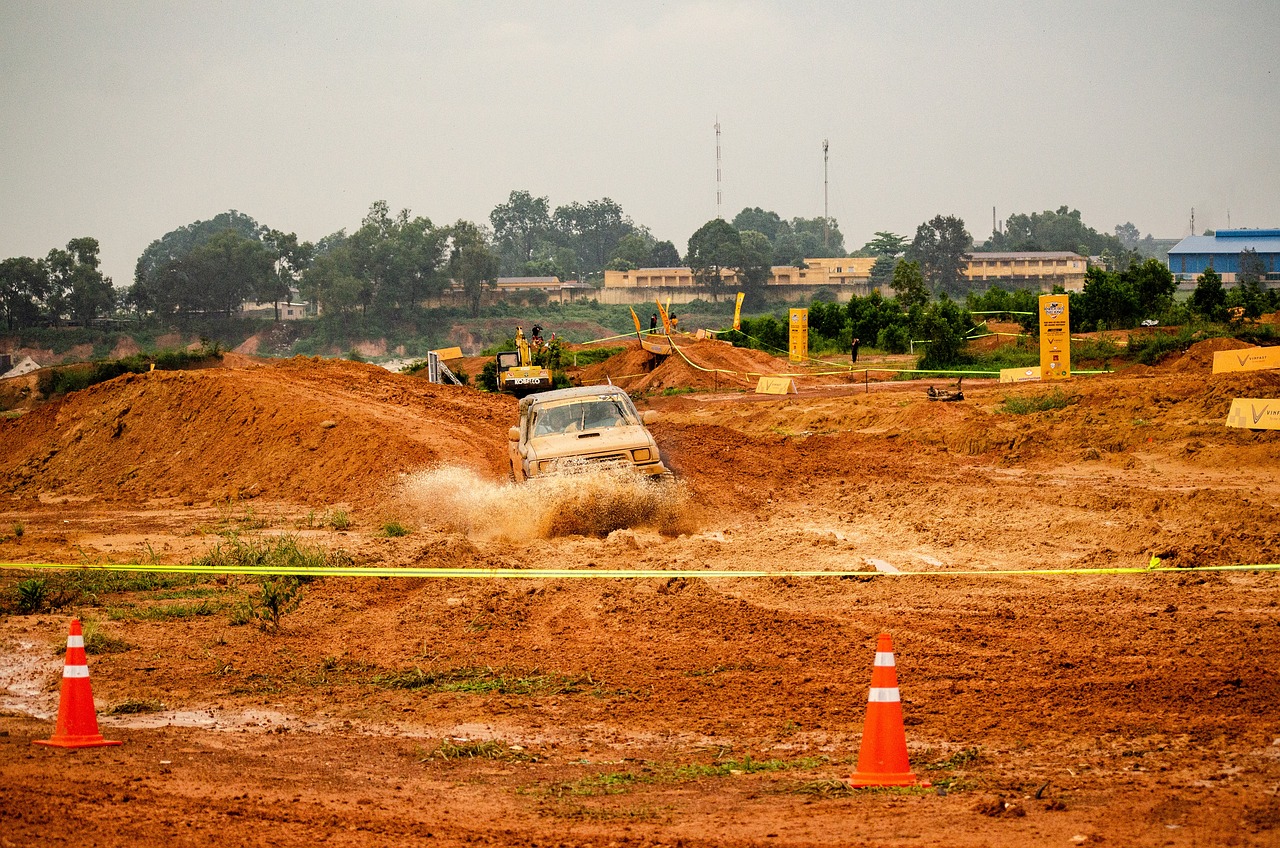
In this comprehensive guide, we delve into the world of off-road vehicle repair, specifically focusing on truck recovery equipment in Brownsville. We explore essential techniques, tools, and strategies to effectively address common issues faced by off-road vehicles, ensuring they’re ready for any challenge.
Introduction: The Importance of Truck Recovery Equipment in Brownsville
Brownville, known for its rugged terrain and diverse off-road trails, presents unique challenges for vehicle owners and recovery specialists alike. Truck recovery equipment Brownsville plays a crucial role in navigating these obstacles, ensuring the safe extraction and repair of vehicles stranded in remote areas. This guide aims to equip readers with valuable insights into mastering off-road vehicle repair techniques, empowering them to tackle any challenge their trucks may encounter.
Understanding Off-Road Vehicle Repair Fundamentals
The Unique Challenges of Off-Road Vehicles
Off-road vehicles, including trucks designed for rugged terrain in Brownsville, operate under demanding conditions that require specialized maintenance and repair skills. Common issues include:
- Mechanical Failures: Extreme temperatures, uneven terrain, and frequent use can lead to component wear and tear.
- Tire Damage: Sharp objects, hidden holes, and poor road conditions often result in flat tires or structural damage.
- Electrical Issues: Water intrusion, animal burrows, and rough handling can compromise the vehicle’s electrical system.
Essential Tools for Off-Road Repair
A well-equipped toolkit is half the battle won when it comes to off-road repairs. Here are some indispensable tools for your truck recovery equipment in Brownsville:
- Diagnostic Tools: A multimeter, scan tool, and code reader to identify electrical and mechanical problems.
- Hand Tools: Basic set of wrenches, sockets, screwdrivers, pliers, and a jack for basic repairs.
- Tire Repair Kit: Includes tire irons, patching kits, and inflation equipment for quick on-the-go fixes.
- Recovery Gear: Winches, tow ropes, and recovery points to assist in extricating vehicles from difficult situations.
Advanced Off-Road Vehicle Repair Techniques
1. Mechanical Repairs: Getting to the Root of the Problem
Engine and Transmission Maintenance
Regular oil changes, filter replacements, and checks for leaks are vital. In remote areas, carry a well-stocked fluid kit, including engine oil, coolant, and transmission fluid. For more serious mechanical issues, utilize specialized tools like hydraulic press kits for removing and replacing drivetrain components.
Suspension and Exhaust Repairs
Brownville’s terrain demands robust suspension systems. Inspect shock absorbers, springs, and control arms regularly. Carry replacement parts and tools for basic repairs, such as spring compresors and greasers. Exhaust systems are also susceptible to damage; ensure you have a portable welding kit for temporary fixes or a complete exhaust system for longer-term solutions.
2. Electrical System Troubleshooting
Battery Maintenance and Replacement
Off-road vehicles rely heavily on batteries. Regularly check battery voltage, clean terminals with a wire brush, and ensure adequate corrosion protection. Carry spare batteries and a portable charger for emergencies.
Waterproofing and Sealant Application
Protect electrical components from water damage by applying waterproof sealants to connectors and switches. Use silicon-based sealants rated for automotive use and follow manufacturer instructions for application.
3. Tire and Wheel Repairs
Field Repair vs. Replacement
Assess the extent of tire damage before deciding on a repair or replacement. Small punctures can often be repaired using portable patch kits, saving space in your recovery kit. For larger cuts or sidewall damage, consider carrying spare tires or a mobile tire-changing toolset.
Wheel and Rim Restoration
Rugged terrain can leave wheels and rims with scratches and dents. Use specialized wheel polishers and restoration kits to revive their appearance while improving traction.
Recovery and Extraction Strategies
Safe Vehicle Recovery Techniques
- Assess the Situation: Before attempting recovery, evaluate the vehicle’s position, surrounding terrain, and potential hazards.
- Use Recovery Equipment Wisely: Employ winches, tow ropes, and recovery points correctly to avoid further damage. Ensure proper alignment and distribution of tension.
- Hydraulic Lifts: For complex recoveries, hydraulic lifts provide precise control, allowing for safer extraction from difficult angles.
Planning for Remote Areas
- Kit Preparation: Stock your truck recovery equipment in Brownsville with essential tools, spare parts, water, food, and a comprehensive repair manual tailored to local conditions.
- Communication: Carry a reliable communication device to contact for assistance, especially if you venture into remote regions.
- Local Knowledge: Familiarize yourself with the area’s unique challenges, common mechanical issues, and potential hazards to prepare for any scenario.
Conclusion: Empowering You for Off-Road Adventures
Mastering off-road vehicle repair techniques empowers drivers to tackle unexpected challenges confidently. By understanding the specific needs of truck recovery equipment in Brownsville, you can ensure your vehicle is ready for any adventure. This guide has provided insights into essential tools, advanced repair methods, and effective recovery strategies, enabling you to navigate Brownsville’s rugged terrain with ease.
Remember, preparation and knowledge are key to a successful off-road experience. Stay equipped, stay informed, and enjoy the thrill of exploration while keeping safety at the forefront.