TL;DR:
This article delves into off-road driving techniques, highlighting crucial skills and strategies for navigating challenging terrains using truck recovery equipment in Brownsville and beyond. From understanding tire choices to mastering recovery gear, we equip you with the knowledge needed to handle rough landscapes confidently.
Truck Recovery Equipment Brownsville: Unlocking Off-Road Adventures
In areas like Brownsville, Texas, where diverse landscapes span from desert dunes to rugged mountains, off-road driving is more than a hobby; it’s a way of life. For those adventurous souls who crave exploring these untamed terrains, mastering off-road techniques and having access to reliable truck recovery equipment Brownsville are essential. This comprehensive guide will equip you with the knowledge and tools needed to conquer challenging trails while ensuring your safety and vehicle integrity.
The Importance of Off-Road Driving Skills
Off-road driving isn’t just about reaching remote destinations; it’s a test of skill, patience, and preparedness. Understanding terrain, predicting obstacles, and knowing how to respond under pressure are invaluable abilities that go beyond mere vehicle operation. Whether you’re tackling a sandy desert track or scaling rocky mountainsides, these skills can make the difference between a thrilling adventure and a stranded vehicle.
Essential Off-Road Driving Techniques
1. Pre-Planning: Know Your Route and Terrain
Before setting off, meticulous planning is crucial. Research your chosen route thoroughly, consulting maps, guidebooks, or online resources to understand the terrain, potential hazards, and accessibility. Recognize areas prone to high water levels, loose gravel, or steep inclines. This knowledge allows you to adjust your driving strategy accordingly and prepare for unexpected challenges.
2. Vehicle Preparation: Equip Your Truck with Recovery Gear
A well-prepared vehicle is your best ally in off-road adventures. Ensure your truck is kitted with essential recovery equipment, including:
-
Sturdy winches: Choose a winch with sufficient pull rating for your vehicle and intended obstacles.
-
Recovery cables and straps: Invest in high-quality steel cable and durable straps rated for heavy-duty use.
-
Jacks and blocks: Carry several jack stands, wheel chocks, and tire blocks to stabilize your vehicle during recovery attempts.
-
Spare tires and tools: Keep a properly inflated spare tire, a tire iron, and other essential tools readily accessible.
Truck recovery equipment Brownsville specialists can assist in selecting the right gear for your specific needs.
3. Tire Selection: Choosing the Right Grip
Tires are your point of contact with the terrain, so choosing the right ones is paramount. Off-road tires offer deeper tread patterns and aggressive biting edges designed to grip loose surfaces like mud, sand, or rock. Consider factors like:
- Terrain: Desert, mud, rocks, snow – each requires a different tire type.
- Vehicle weight: Heavier vehicles may need sturdier, high-capacity tires.
- Driving style: Aggressive driving demands robust, durable tires.
4. Mastering Low Gear Driving
Low range gears provide increased torque and control on challenging slopes and uneven terrain. Learn to use low gear smoothly and efficiently by:
-
Slowing down: Approach inclines slowly, allowing your engine to rev naturally.
-
Controlling speed: Use the throttle and brakes gently to avoid wheel spin or loss of traction.
-
Keeping a steady pace: Maintain consistent speed while climbing; don’t rush, as it can lead to bogging down.
5. Recovery Techniques: Getting Unstuck Safely
Even the most experienced drivers can get stuck. Familiarize yourself with various recovery techniques using your truck recovery equipment Brownsville supplies:
-
Winching: Learn proper winch technique, including hook placement and cable tensioning for safe and effective pulling.
-
Jacking and Stabilizing: Use jack stands and wheel chocks to safely lift and support your vehicle while recovering from deep ruts or mud.
-
Pulling with Chains: Chain up your truck to another vehicle when necessary, ensuring proper connection and tension.
Frequently Asked Questions (FAQs)
-
What is the best tire pressure for off-road driving?
Optimal tire pressure varies depending on terrain, vehicle weight, and personal preference. Generally, lower pressures improve traction in soft terrain like mud or sand but decrease fuel efficiency. Use a pressure gauge to adjust according to your specific needs.
-
How do I choose the right winch for my truck?
Winch capacity should exceed your truck’s towing capacity and be suitable for your intended off-road challenges. Consider factors like cable length, plug type, and water resistance when selecting a winch.
-
Can I use regular gas for off-road driving?
While regular gasoline is acceptable for most situations, some off-road vehicles may require premium fuel for optimal performance in extreme conditions. Always consult your vehicle’s owner manual.
-
How often should I service my truck before going off-road?
Regular maintenance is crucial for off-road adventures. Have a qualified mechanic check your brakes, tires, suspension, and engine oil before setting out to ensure peak performance and safety.
-
What should I do if I get stuck in the mud?
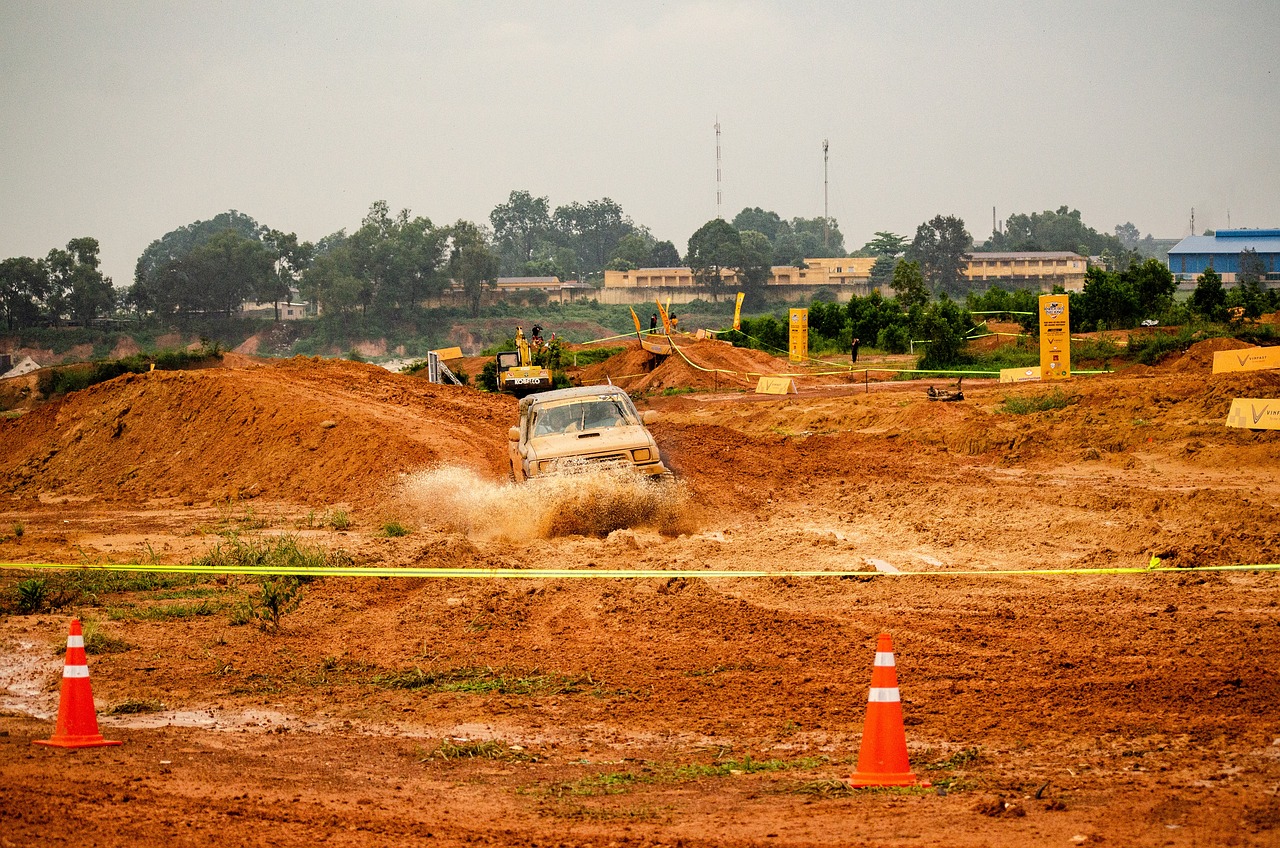
Stay calm, avoid rapid acceleration or braking, and try to gain traction gently by slowly applying power. If you become stuck, use jack stands and wheel chocks to lift and stabilize your vehicle before attempting to free it with a winch or by carefully backing out.
Conclusion:
Off-road driving is an exhilarating experience that unveils breathtaking landscapes often inaccessible by conventional means. By mastering essential techniques, investing in quality truck recovery equipment Brownsville, and preparing meticulously, you can embark on unforgettable adventures with confidence and peace of mind. Remember, safety and responsible exploration go hand in hand – always respect the trails and leave no trace behind.